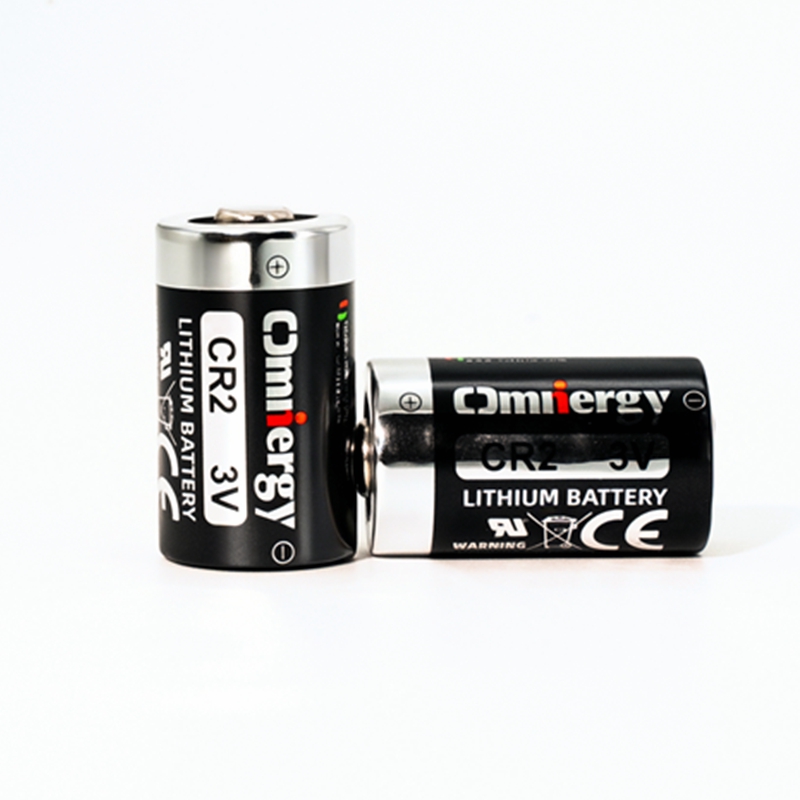
CR2 3V 900 mAh Pierwsorzędowa Bateria Litowa Dwutlenku Manganu (Li-MnO2) Cylindryczna
Dekadowa Stabilność dla Nieprzejednanych Rozwiązań Przemysłowych.
Zdalne infrastruktury, krytyczne pod względem bezpieczeństwa urządzenia medyczne oraz systemy telemetryczne na głębokich morzach nie mogą pozwolić sobie na awarie zasilania. Ta CR2 3V 900 mAh Pierwsorzędowa Bateria Litowa Dwutlenku Manganu jest zaprojektowana tak, aby wyeliminować problemy związane z konserwacją w terenie. Zapewnia bardzo gęstą, nierozładowalną bazę zasilania, specjalnie opracowaną do radzenia sobie z długimi okresami nieużywania i trudnymi warunkami środowiskowymi.
Z kompaktowym profilem Φ15,6 × 27,0 mm i masą netto wynoszącą zaledwie 11 gta bateria osiąga imponujący 900 mAh rezervę energii. Oferuje dokładnie taki płaski profil napięcia, jakiego wymagają wrażliwe mikroprocesory, połączony z możliwością dostarczania impulsowego prądu potrzebnego dla bezprzewodowych modułów RF.
Specyfikacja Techniczna baterii CR2 3V 900 mAh
| Parametr inżynierii przemysłowej | Wartość certyfikowana |
| Oznaczenie modelu | CR2 |
| Macierz chemiczna | Litowo-Dwutlenkowa Manganowa (Li-MnO2, Pierwsorzędowa/Jednorazowa) |
| Napięcie nominalne | 3,0 V |
| Pojemność nominalna | 900 mAh |
| Wymiary fizyczne | Średnica: Φ15,6 mm × Wysokość: 27,0 mm |
| Masa netto | 11,0 g |
| Roczna stopa samorozładowania | ≤ 2% per year (Stored at 20°C) |
| Spektrum temperatur pracy | -40°C do +70°C |
Więcej cylindrycznych baterii litowych
| Modelu | Napięcie nominalne (V) | Pojemność nominalna (mAh) | Maksymalny prąd ciągły (mA) | Maksymalny prąd impulsowy (mA) | Maksymalne wymiary (mm) | Temperatura robocza(℃) | Waga (g) |
| CR123A | 3 | 1500 | 1500 | 3000 | Φ17,0*34,5 | -40~+70 | 16 |
| CR123A | 3 | 1700 | 1500 | 3000 | Φ17,0*34,5 | -40~+70 | 16 |
| CR2 | 3 | 900 | 1000 | 2000 | Φ15,6*27,0 | -40~+70 | 11 |
| CR2 | 3 | 1000 | 1000 | 2000 | Φ15,6*27,0 | -40~+70 | 11 |
| CR14250 | 3 | 800 | 800 | 1500 | Φ14,5*25,0 | -40~+70 | 9 |
| CR17450 | 3 | 2400 | 1500 | 3000 | Φ17,0*45,0 | -40~+70 | 24 |
| CR14505 | 3 | 1600 | 1500 | 2000 | Φ14,5*50,5 | -40~+70 | 17 |
| CR-1/3N | 3 | 170 | 80 | 160 | Φ11,6*10,8 | -40~+70 | 3 |
| CR-P2 | 6 | 1500 | 1500 | 3000 | Φ19,5*36,0*33,4 | -40~+70 | 38 |
| CR-P2 | 6 | 1700 | 1500 | 3000 | Φ19,5*36,0*33,4 | -40~+70 | 38 |
Główne zalety inżynierskie i korzyści dla biznesu
1. Exceptional Storage Life (≤2% Self-Discharge)
Utilizing an ultra-pure lithium metal anode and highly stable manganese dioxide cathode, the CR2 limits its internal chemical degradation to less than 2% annually. This minimal self-discharge curve translates directly to a 10-letnią żywotność użytkową i czas przechowywania na półce, co czyni ją idealnym wyborem dla urządzeń awaryjnych i inteligentnych liczników o długich odstępach pomiarowych.
2. Radykalna wytrzymałość termiczna (-40°C do +70°C)
Niezależnie od tego, czy jest zamrożona w arktycznych sieciach monitoringu morskiego, czy poddawana intensywnej temperaturze wewnątrz zautomatyzowanych maszyn przemysłowych, specjalistyczny elektrolit organiczny komórki zachowuje jej mobilność jonową. Gwarantuje stabilne napięcie wyjściowe 3,0 V bez wystąpienia strukturalnych przecieków lub pasywacji napięcia.
3. Architektura spiralnie zwinięta o wysokim impulsie
W przeciwieństwie do komórek typu „bobin”, które mają problemy z gwałtownymi skokami obciążeń, nasza CR2 wykorzystuje precyzyjną spiralnie nawiniętą strukturę wewnętrzną. Ten projekt znacznie zwiększa powierzchnię aktywną, umożliwiając komórce sprawnie obsłużyć szczytowe prądy przejściowe wymagane przez bezprzewodowe transceiver’y i wysokonapędowe systemy optyczne, bez spadku napięcia na zaciskach.
Celowe zastosowania w różnych branżach
Światowi deweloperzy sprzętu oraz zespoły zajmujące się zaopatrzeniem komponentów integrują naszą baterię CR2 w następujące kluczowe podsektory:
Aerospace, Marine & Subsurface Exploration
Automotive & Smart Fleet Infrastructure
Industrial Automation & Data Protection
Commercial Security & Medical Tech
Custom B2B Manufacturing & Supply Services
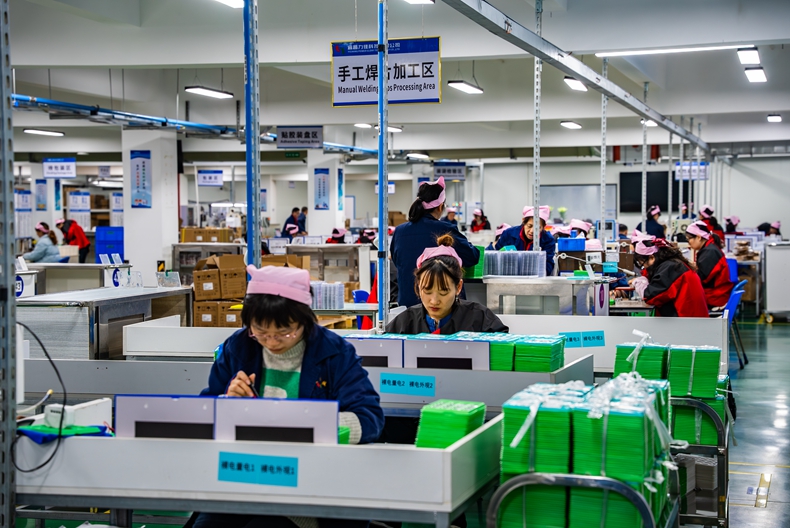
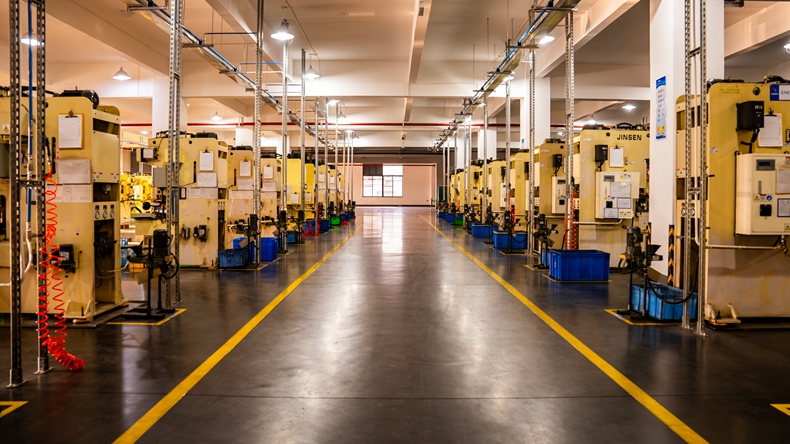
Oferujemy elastyczność inżynieryjną niezbędną do płynnego włączenia naszych ogniwek do Twoich zautomatyzowanych linii montażowych.
Często zadawane pytania
Pytanie 1: Czy tę baterię CR2 można ładować za pomocą obwodu hosta?
Odpowiedź: Nie. CR2 to pierwszorzędowa bateria litowo-manganowa dwutlenkowaJest to jednorazowa komórka przeznaczona do bezpiecznego jednorazowego rozładowania. Próba naładowania pierwotnej komórki litowej naruszy wewnętrzną hermetyczną uszczelkę, co może prowadzić do przecieków, wewnętrznych zwarć lub awarii termicznej.
Q2: How does the ≤2% self-discharge rate benefit TPMS and smart meters?
Odpowiedź: In applications like TPMS or smart utilities, the hardware spends up to 99% of its operational life in deep sleep mode, waking up for milliseconds to transmit data. A low self-discharge rate ensures that the battery’s energy is preserved for these actual operational cycles rather than wasting away internally over years of deployment.
Pytanie 3: Co odróżnia tę baterię CR2 klasy przemysłowej od wersji detalicznych dla konsumentów?
Odpowiedź: Nasze baterie przemysłowe cechują się ulepszeniami konstrukcyjnymi, w tym grubszymi ściankami obudowy ze stali nierdzewnej, zaawansowanymi hermetycznymi uszczelnieniami szkło-metal oraz wysokocząsteczkowymi czystymi składnikami chemicznymi. Zapewnia to maksymalną stabilność wobec silnych wibracji na automatyzowanych linii produkcyjnych, podczas obracania opon oraz przy działaniu dużych ciśnień w głębokich warstwach podziemnych.