

ML1225 3V 25mAh Rechargeable Lithium Aluminum Alloy Button Cell Battery
Maximum Capacity in a Micro Footprint. The Ultimate Anchor for Data Continuity.
In modern smart hardware design, a split-second power failure can mean corrupted firmware, lost transaction logs, or system desynchronization. The ML1225 3V 25mAh Rechargeable Lithium Aluminum Alloy Battery is engineered to eliminate that vulnerability.
Packing a robust 25mAh capacity into an ultra-compact φ12.5 × 2.5mm housing and weighing a mere 0.9g, this premium rechargeable coin cell offers hardware engineers the perfect balance of space optimization and long-lasting backup power. Utilizing advanced Lithium Aluminum Alloy chemistry, it provides an eco-friendly, maintenance-free lifespan that outlasts conventional primary cells.
Technical Paramters of ML1225 rechargeable battery
| Product Name | ML1225 Rechargeable Lithium Coin Cell |
| Nominal Discharge current | 0.1mA |
| Nominal Voltage | 3V |
| Nominal Capacity | 28(mAh) |
| Brand | Omnergy |
| Size | Φ12.5×2.5(mm) |
| Operating temperature | -20℃~70℃ |
| Weight | 0.9(g) |
| UL Recognition | MH29853 |
| Storage temperature range | 0℃-30℃ |
Full Series of ML Type Rechargeable Lithium Coin Cells
| Model | Nominal Voltage(V) | Nominal Current (mA) | Nominal Capacity (mAh) | Charge-Discharge Cycle Characteristics Number of Cycles 10% DOD / 20% DOD |
Max Dimension (mm) | Working Temperature(℃) | Weight(g) |
| ML1220 | 3 | 0.1 | 18 | 300/120 | φ12.5×2.0 | -20~+70 | 0.8 |
| ML1225 | 3 | 0.1 | 25 | 300/120 | φ12.5×2.5 | -20~+70 | 0.9 |
| ML 2016 | 3 | 0.2 | 30 | 400/180 | φ20.0×1.6 | -20~+70 | 1.8 |
| ML 2020 | 3 | 0.2 | 40 | 400/180 | φ20.0×2.0 | -20~+70 | 2.2 |
| ML 2032 | 3 | 0.2 | 65 | 600/300 | φ20.0×3.2 | -20~+70 | 3.1 |
| ML 2430 | 3 | 0.3 | 100 | 1000/500 | φ24.5×3.0 | -20~+70 | 4.2 |
Product Highlights & Engineering Advantages

Core Application Fields: Powering Smart Ecosystems
B2B procurement managers select the ML1225 to act as the primary fail-safe across several critical tech sectors:
Notebooks & High-Performance Laptops (NB)
Serves as the high-capacity CMOS / RTC backup battery. It guarantees that system time, BIOS configurations, and hardware security parameters remain intact even during prolonged periods when the primary device battery is fully depleted.
Smart Security & Industrial Surveillance
Powers the volatile memory of smart locks, access control panels, commercial alarm systems, and IP cameras. It prevents system resets and keeps encryption keys safe during power surges or intentional line cuts.
POS (Point of Sale) & Payment Terminals
Protects critical financial logs, local merchant databases, and cryptographic keys in both desktop and mobile payment devices. The ML1225 ensures immediate transaction recovery post-power failure.
Professional 3D Printers
Maintains print state logs, coordinate matrices, and calibration profiles during voltage sags or temporary power drops, allowing heavy industrial printers to resume complex, multi-hour prints seamlessly.

Why Choose Our ML1225 for Your B2B Production Line?
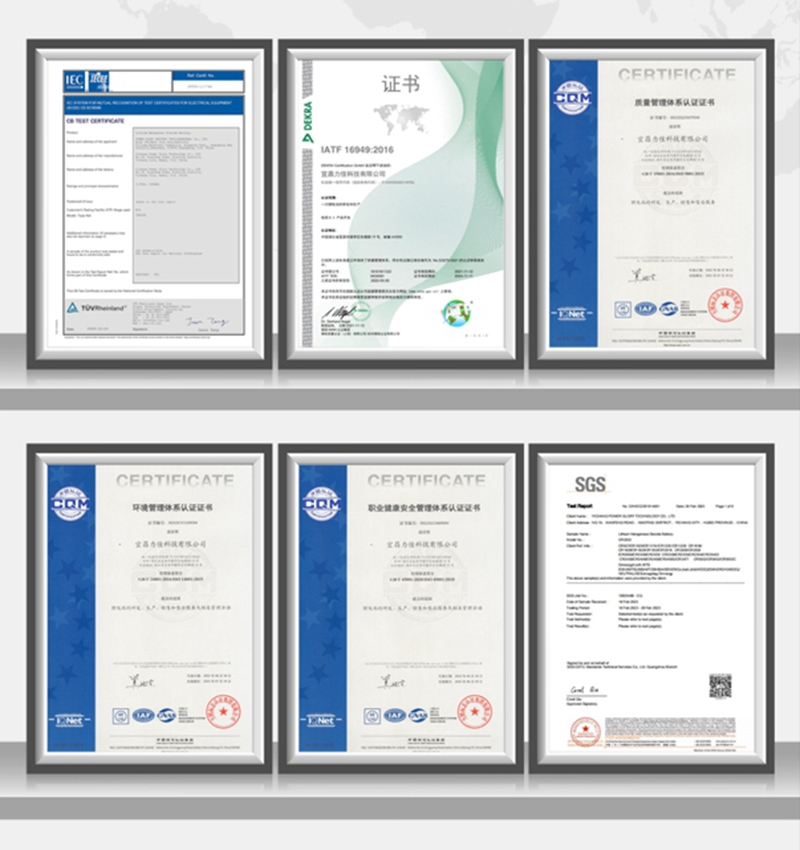
As a trusted global battery supplier, we deliver components that strictly align with industrial-grade manufacturing standards.
Frequently Asked Questions
Q1: What is the main difference between the ML1225 and the ML1220 battery?
A: While both batteries share the same diameter (φ12.5mm), the ML1225 has a slightly higher thickness of 2.5mm (compared to 2.0mm for the ML1220). This extra 0.5mm space increases the nominal capacity from 18mAh to 25mAh, giving your device approximately 38% more backup runtime.
Q2: Can the ML1225 replace a disposable CR1225 battery?
A: No directly without circuit adjustment. The ML1225 is a rechargeable (secondary) battery, whereas the CR1225 is a primary (disposable) lithium battery. The ML1225 requires a charging circuit from the host device to continuously replenish its power.
Q3: How does the -20°C to +70°C temperature range benefit industrial devices?
A: Standard consumer batteries fail when exposed to extreme environments. The ML1225’s wide temperature tolerance ensures that outdoor security systems won’t fail in freezing winter conditions, and internal components inside hot 3D printers or dense notebook chassis will continue operating safely without degrading.
