


CR17450 3 V 2400 mAh Batería cilíndrica primaria de litio‑manganeso LiMnO2
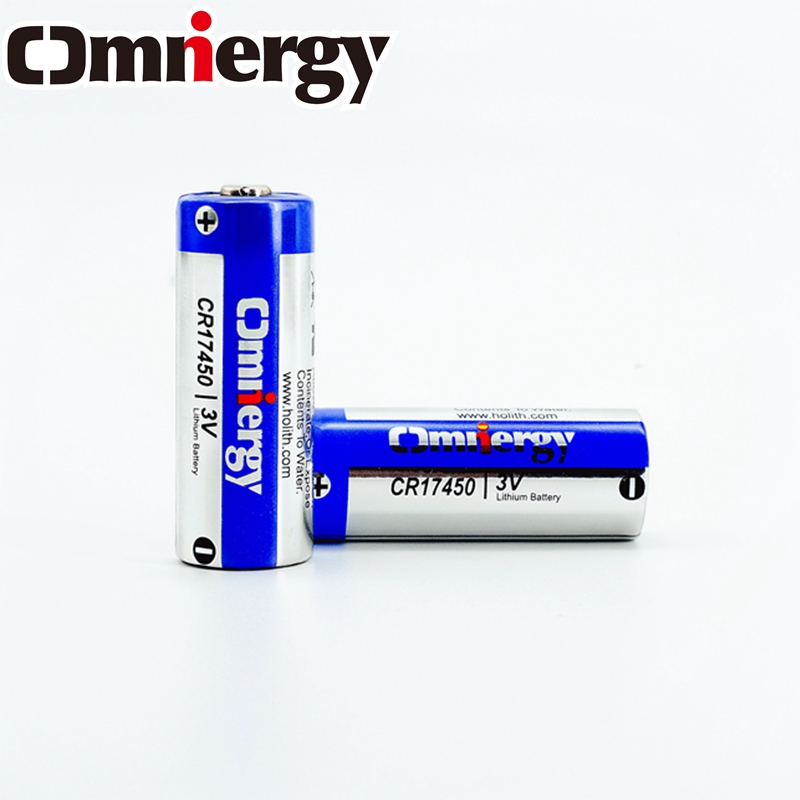
Reserva de energía de alta capacidad de 2400 mAh. Diseñada para ciclos de vida decenales en entornos de campo extremos.
Cuando la infraestructura remota, los equipos médicos críticos para la seguridad o los activos subterráneos requieren ciclos de espera prolongados, la falla de la batería implica costosos trabajos de mantenimiento en campo o pérdida de datos. La CR17450 3 V 2400 mAh Batería primaria de litio‑manganeso proporciona el reservorio de energía denso necesario para mantener funcionando de manera confiable durante años el hardware de bajo consumo, sin necesidad de intervención.
Medición 17,0 × 45,0 mm y peso 24 g, esta celda no recargable ofrece un impresionante 2400 mAh perfil de capacidad. Supera ampliamente a las celdas de litio estándar de tamaño AA, manteniendo corrientes operativas estables durante amplios ciclos de temperatura sin sufrir pasivación prematura.
Especificaciones técnicas de la batería cilíndrica CR17450 3 V 2400 mAh
| Parámetro de ingeniería industrial | Valor certificado |
| Designación del modelo | CR17450 |
| Matriz química | Litio y dióxido de manganeso (LiMnO2, primaria) |
| Voltaje nominal | 3,0 V |
| Capacidad nominal | 2400 mAh |
| Dimensiones físicas | Diámetro: 17,0 mm × Altura: 45,0 mm |
| Peso neto | 24,0 g |
| Tasa anual de autodescarga | ≤ 2% per year (Stored at standard 20°C) |
| Rango de temperatura de operación | -40 °C a +70 °C |
Gama completa de baterías cilíndricas de litio‑manganeso
| Modelo | Voltaje nominal (V) | Capacidad nominal (mAh) | Corriente continua máxima (mA) | Corriente de pulso máxima (mA) | Dimensión máxima (mm) | Temperatura de funcionamiento (℃) | Peso (g) |
| CR123A | 3 | 1500 | 1500 | 3000 | Φ17,0*34,5 | -40~+70 | 16 |
| CR123A | 3 | 1700 | 1500 | 3000 | Φ17,0*34,5 | -40~+70 | 16 |
| CR2 | 3 | 900 | 1000 | 2000 | Φ15,6*27,0 | -40~+70 | 11 |
| CR2 | 3 | 1000 | 1000 | 2000 | Φ15,6*27,0 | -40~+70 | 11 |
| CR14250 | 3 | 800 | 800 | 1500 | Φ14,5*25,0 | -40~+70 | 9 |
| CR17450 | 3 | 2400 | 1500 | 3000 | Φ17,0*45,0 | -40~+70 | 24 |
| CR14505 | 3 | 1600 | 1500 | 2000 | Φ14,5*50,5 | -40~+70 | 17 |
| CR-1/3N | 3 | 170 | 80 | 160 | Φ11,6*10,8 | -40~+70 | 3 |
| CR-P2 | 6 | 1500 | 1500 | 3000 | Φ19,5*36,0*33,4 | -40~+70 | 38 |
| CR-P2 | 6 | 1700 | 1500 | 3000 | Φ19,5*36,0*33,4 | -40~+70 | 38 |
Ventajas clave de ingeniería y utilidad B2B
1. Configuración interna de bobina espiral de alto pulso
Unlike bobbin-style batteries that struggle under sudden current draws, our CR17450 features a precision spiral-wound inner electrode configuration. This layout drastically increases the internal active surface area, allowing the cell to deliver the instantaneous high-pulse surge currents required by RF transceivers, cellular components, and remote signaling units without dropping terminal voltage below the microprocessor’s cutoff limit.
2. Industry-Leading Long-Term Storage (≤2% Annual Self-Discharge)
By pairing a high-purity lithium metal anode with a robust, hermetic glass-to-metal seal, the CR17450 restricts internal chemical self-discharge to less than 2% per year. This allows your devices to sit in deep-sleep or warehouse storage for up to a decade and still deploy full rated capacity upon wake-up.
3. Estabilización radical de la temperatura (-40 °C a +70 °C)
La celda utiliza un electrolito orgánico especializado de baja viscosidad. Esta fórmula evita la lentitud de la movilidad iónica en condiciones extremas bajo cero (-40 °C) mientras mantiene una estructura estable y resistente a fugas frente a la intensa acumulación de presión interna en zonas de altas temperaturas (+70 °C).
Despliegues industriales específicos
Los diseñadores de hardware y los responsables de compras comerciales de todo el mundo integran nuestra CR17450 de grado industrial en cuatro verticales técnicas de alta exigencia:
Marine, Subsurface & Space Exploration
Automotive, Fleet Logistics & Telematics
Utilities, Smart Cities & Data Protection
Commercial Security, Medical Tech & Professional Optics
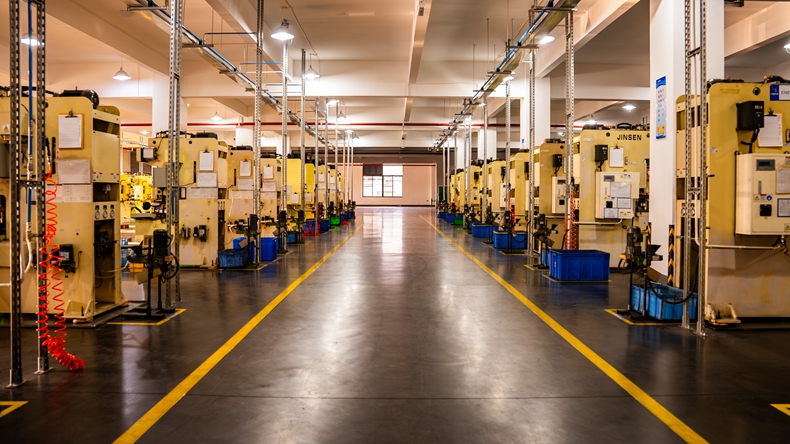
¿Por qué asociarse con nosotros para la adquisición a gran escala de CR17450?
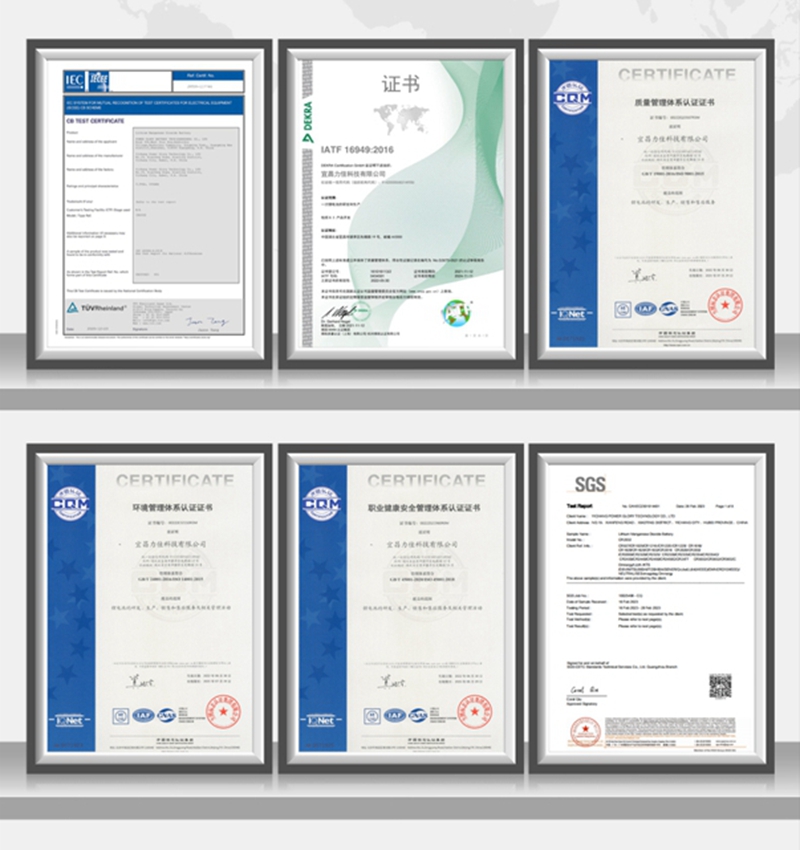
Como fabricante dedicado de componentes, comprendemos que los compradores industriales requieren un estricto control de calidad y una integración fluida con la producción automatizada.
Preguntas frecuentes
Pregunta 1: ¿Qué hace que el CR17450 sea preferible frente a una pila de litio AA estándar como la CR14505?
A: Aunque ambas son pilas de litio de 3 V, el CR17450 presenta un diámetro mayor (17,0 mm vs 14,5 mm). Este volumen adicional permite que la CR17450 mantenga una Capacidad de 2400 mAh, que es una 50% increase superior a la capacidad de 1600 mAh de una CR14505 estándar. Elige la CR17450 si tu hardware remoto en campo requiere ciclos de vida operativos prolongados o presenta consumos de corriente en modo de espera ligeramente más altos.
Q2: Can the CR17450 battery be recharged by our system’s circuit?
A: No. El CR17450 es un Batería primaria (de un solo uso) de dióxido de manganeso-litio. No puede recargarse de forma segura. Intentar forzar una corriente de carga en esta celda comprometerá el sellado hermético interno, pudiendo provocar fugas de electrolito, cortocircuitos internos o una reacción térmica descontrolada.
Pregunta 3: ¿Por qué es crucial una baja tasa anual de autodescarga para la reserva de memoria y los medidores inteligentes?
A: Industrial smart meters and memory backup circuits spend the vast majority of their lifecycles in ultra-low micro-amp sleep states, waking up for mere milliseconds to log or transmit data. A self-discharge rate of ≤2% ensures that the battery’s energy is preserved for actual device operations over a span of up to 10 years, rather than wasting away internally.