


CR17450 3V 2400mAh Batteria cilindrica primaria al litio-manganese LiMnO2
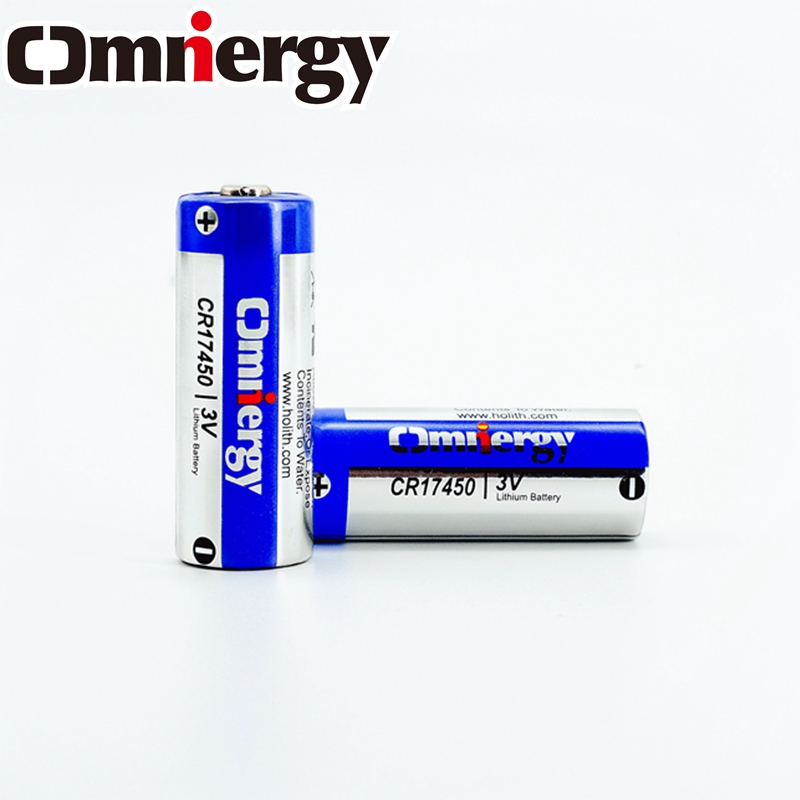
Alta capacità di 2400 mAh con riserva di energia. Progettata per cicli di vita decennali in ambienti estremi sul campo.
Quando infrastrutture remote, strumentazione medica critica per la sicurezza o beni sotterranei richiedono lunghi cicli di standby, il guasto della batteria comporta costosi interventi di manutenzione sul campo o perdita di dati. La CR17450 3V 2400mAh Batteria primaria al litio-manganese fornisce la densa riserva di energia necessaria per mantenere hardware a basso consumo funzionante in modo affidabile per anni senza interventi.
Misurazione 17,0 × 45,0 mm e peso 24 g, questa cella non ricaricabile offre un impressionante 2400 mAh profilo di capacità. Offre un notevole incremento di capacità rispetto alle comuni celle al litio di dimensione AA, mantenendo correnti operative stabili attraverso ampie variazioni di temperatura senza subire una passivazione prematura.
Specifiche tecniche della batteria cilindrica CR17450 3V 2400mAh
| Parametro di Ingegneria Industriale | Valore certificato |
| Design del modello | CR17450 |
| Matrice chimica | Litio-manganese diossido (LiMnO2, primario) |
| Tensione nominale | 3,0 V |
| Capacità nominale | 2400 mAh |
| Dimensioni fisiche | Diametro: 17,0 mm × Altezza: 45,0 mm |
| Peso netto | 24,0 g |
| Tasso annuale di autoscarica | ≤ 2% per year (Stored at standard 20°C) |
| Intervallo di temperatura operativa | -40 °C fino a +70 °C |
Gamma completa di batterie cilindriche al litio-manganese
| Modello | Tensione nominale (V) | Capacità nominale (mAh) | Corrente continua massima (mA) | Corrente di picco massima (mA) | Dimensioni massime (mm) | Temperatura di esercizio (℃) | Peso (g) |
| CR123A | 3 | 1500 | 1500 | 3000 | Φ17,0*34,5 | -40~+70 | 16 |
| CR123A | 3 | 1700 | 1500 | 3000 | Φ17,0*34,5 | -40~+70 | 16 |
| CR2 | 3 | 900 | 1000 | 2000 | Φ15,6*27,0 | -40~+70 | 11 |
| CR2 | 3 | 1000 | 1000 | 2000 | Φ15,6*27,0 | -40~+70 | 11 |
| CR14250 | 3 | 800 | 800 | 1500 | Φ14,5*25,0 | -40~+70 | 9 |
| CR17450 | 3 | 2400 | 1500 | 3000 | Φ17,0*45,0 | -40~+70 | 24 |
| CR14505 | 3 | 1600 | 1500 | 2000 | Φ14,5*50,5 | -40~+70 | 17 |
| CR-1/3N | 3 | 170 | 80 | 160 | Φ11,6*10,8 | -40~+70 | 3 |
| CR-P2 | 6 | 1500 | 1500 | 3000 | Φ19,5*36,0*33,4 | -40~+70 | 38 |
| CR-P2 | 6 | 1700 | 1500 | 3000 | Φ19,5*36,0*33,4 | -40~+70 | 38 |
Vantaggi ingegneristici fondamentali e utilità B2B
1. Layout interno a spirale ad alta corrente di picco
Unlike bobbin-style batteries that struggle under sudden current draws, our CR17450 features a precision spiral-wound inner electrode configuration. This layout drastically increases the internal active surface area, allowing the cell to deliver the instantaneous high-pulse surge currents required by RF transceivers, cellular components, and remote signaling units without dropping terminal voltage below the microprocessor’s cutoff limit.
2. Industry-Leading Long-Term Storage (≤2% Annual Self-Discharge)
By pairing a high-purity lithium metal anode with a robust, hermetic glass-to-metal seal, the CR17450 restricts internal chemical self-discharge to less than 2% per year. This allows your devices to sit in deep-sleep or warehouse storage for up to a decade and still deploy full rated capacity upon wake-up.
3. Stabilizzazione radicale della temperatura (-40°C to +70°C)
La cella utilizza un elettrolita organico specializzato a bassa viscosità. Questa formulazione previene la scarsa mobilità ionica in condizioni estreme sottozero (-40 °C) pur rimanendo strutturalmente stabile e a tenuta stagna contro l’intenso accumulo di pressione interna nelle zone ad alta temperatura (+70 °C).
Impieghi mirati nei vari settori industriali
Progettisti hardware globali e responsabili degli acquisti commerciali integrano la nostra CR17450 di grado industriale in quattro verticali tecniche particolarmente esigenti:
Marine, Subsurface & Space Exploration
Automotive, Fleet Logistics & Telematics
Utilities, Smart Cities & Data Protection
Commercial Security, Medical Tech & Professional Optics
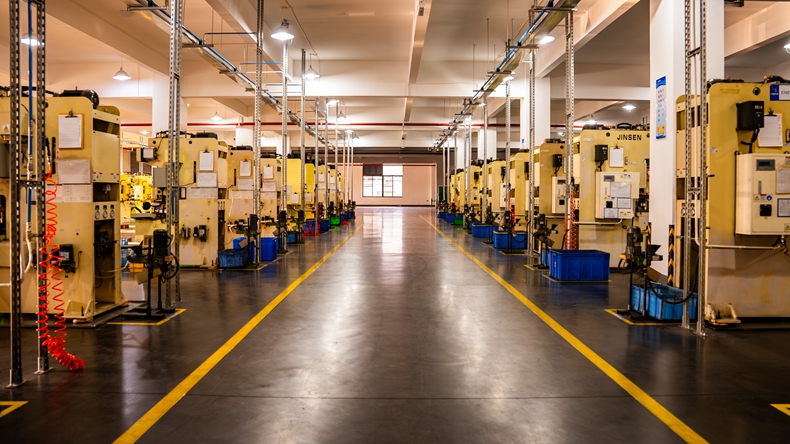
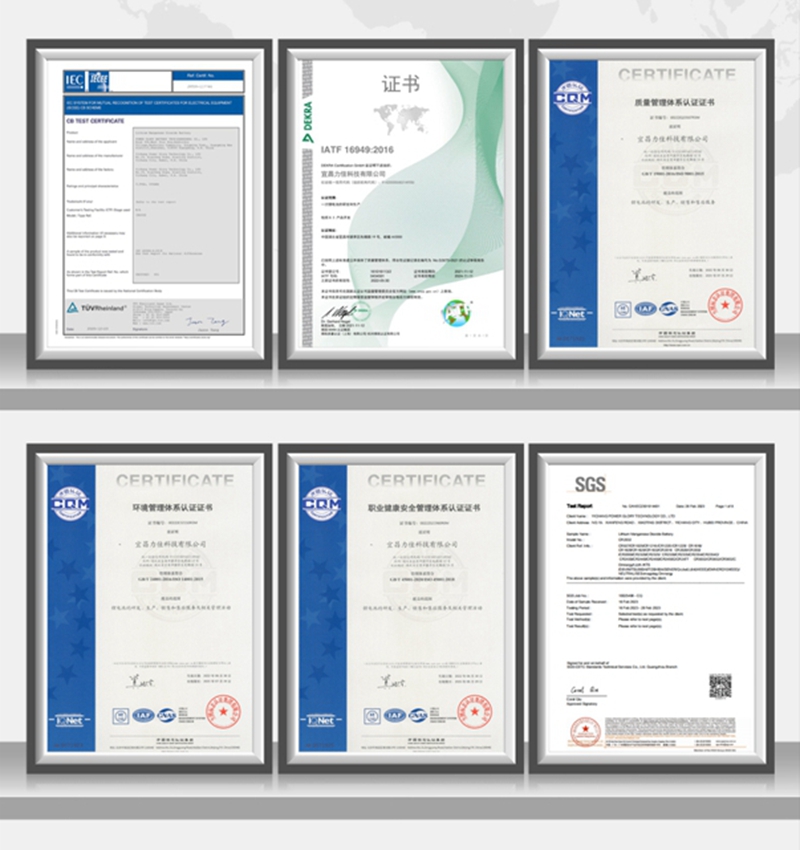
Perché collaborare con noi per l’approvvigionamento di CR17450 in grandi quantità?
In qualità di produttore dedicato di componenti, comprendiamo che gli acquirenti industriali richiedono un controllo qualità rigoroso e una perfetta integrazione con la produzione automatizzata.
Domande frequenti
Domanda 1: Cosa rende il CR17450 preferibile rispetto a una cella al litio AA standard come la CR14505?
A: Sebbene entrambe siano celle al litio da 3 V, il CR17450 presenta un diametro maggiore (17,0 mm vs 14,5 mm). Questo volume aggiuntivo consente al CR17450 di contenere una Capacità di 2400 mAh, che è un 50% increase superiore alla capacità di 1600 mAh di un CR14505 standard. Scegli il CR17450 se il tuo hardware remoto richiede cicli di vita operativi prolungati o presenta consumi in standby leggermente più elevati.
Q2: Can the CR17450 battery be recharged by our system’s circuit?
A: No. Il CR17450 è un batteria primaria (monouso) al litio-diossido di manganese. Non può essere ricaricata in modo sicuro. Tentare di forzare una corrente di carica in questa cellula comprometterà la tenuta ermetica interna, con il rischio di perdite di elettrolita, cortocircuiti interni o runaway termico.
Domanda 3: Perché un basso tasso annuale di autoscarica è fondamentale per il backup della memoria e i contatori intelligenti?
A: Industrial smart meters and memory backup circuits spend the vast majority of their lifecycles in ultra-low micro-amp sleep states, waking up for mere milliseconds to log or transmit data. A self-discharge rate of ≤2% ensures that the battery’s energy is preserved for actual device operations over a span of up to 10 years, rather than wasting away internally.