

CR14250 3V 800mAh Primary Lithium Manganese Dioxide Cylindrical LiMnO2 Battery
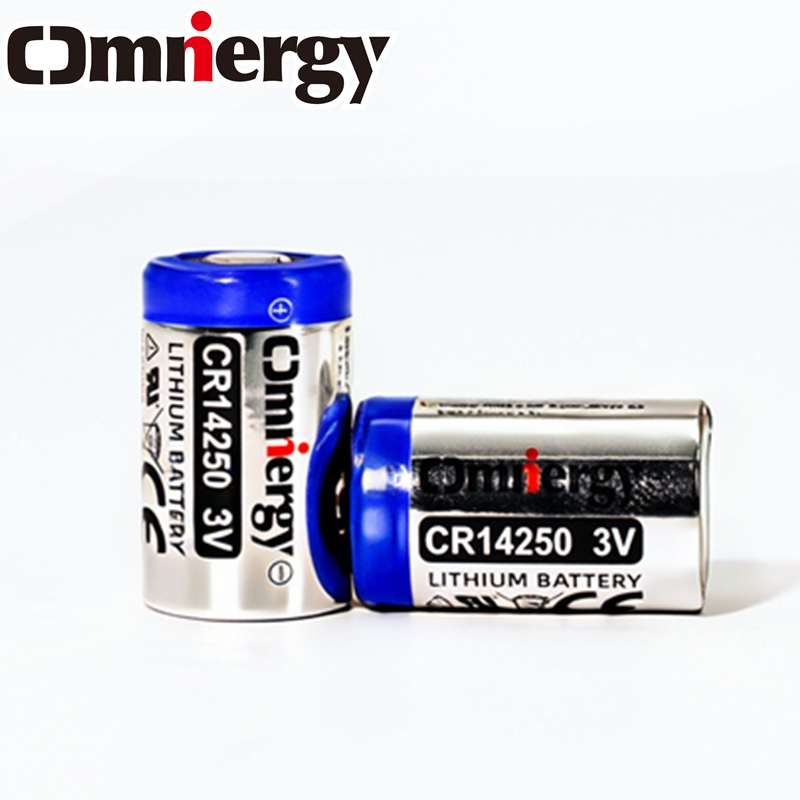
800mAh Capacity. Long-Term Standby Autonomy for Space-Constrained PCBs.
When hardware blueprints require more energy density than a flat coin cell can deliver, but physical space constraints eliminate standard AA housings, the CR14250 3V 800mAh Primary Lithium Manganese Battery serves as the optimal engineering solution.
Adopting the compact 1/2 AA size profile of 14.5 × 25.0mm e con un peso di soltanto 9g, this non-rechargeable cell delivers a dense 800mAh energy reservoir. It provides high voltage stability and low internal resistance, tailored specifically to eliminate routine field maintenance for remote sensors, emergency equipment, and data backup arrays.
Technical Parameters of CR14250 3V 800mAh Lithium Manganese Dioxide Battery
| Parametro di Ingegneria Industriale | Valore certificato |
| Design del modello | CR14250 |
| Matrice chimica | Litio-manganese diossido (LiMnO2, primario) |
| Tensione nominale | 3,0 V |
| Capacità nominale | 800mAh |
| Dimensioni fisiche | Diameter: 14.5 mm × Height: 25.0 mm |
| Peso netto | 9.0g |
| Tasso annuale di autoscarica | ≤ 2% per year (Stored at standard 20°C) |
| Temperatura operativa | -40 °C fino a +70 °C |
Full range of cylindrical lithium-manganese batteries
| Modello | Tensione nominale (V) | Capacità nominale (mAh) | Corrente continua massima (mA) | Corrente di picco massima (mA) | Dimensioni massime (mm) | Temperatura di esercizio (℃) | Peso (g) |
| CR123A | 3 | 1500 | 1500 | 3000 | Φ17,0*34,5 | -40~+70 | 16 |
| CR123A | 3 | 1700 | 1500 | 3000 | Φ17,0*34,5 | -40~+70 | 16 |
| CR2 | 3 | 900 | 1000 | 2000 | Φ15,6*27,0 | -40~+70 | 11 |
| CR2 | 3 | 1000 | 1000 | 2000 | Φ15,6*27,0 | -40~+70 | 11 |
| CR14250 | 3 | 800 | 800 | 1500 | Φ14,5*25,0 | -40~+70 | 9 |
| CR17450 | 3 | 2400 | 1500 | 3000 | Φ17,0*45,0 | -40~+70 | 24 |
| CR14505 | 3 | 1600 | 1500 | 2000 | Φ14,5*50,5 | -40~+70 | 17 |
| CR-1/3N | 3 | 170 | 80 | 160 | Φ11,6*10,8 | -40~+70 | 3 |
| CR-P2 | 6 | 1500 | 1500 | 3000 | Φ19,5*36,0*33,4 | -40~+70 | 38 |
| CR-P2 | 6 | 1700 | 1500 | 3000 | Φ19,5*36,0*33,4 | -40~+70 | 38 |
Vantaggi ingegneristici fondamentali e utilità B2B
1. Space-Optimized 1/2 AA Geometry
The CR14250 reduces layout overhead by exactly 50% compared to a standard AA cell, allowing engineers to reduce the enclosure sizes of handheld tools, smart meters, and tracking hardware without forcing a compromise on battery capacity.
2. High-Pulse Capacity via Spiral Design
Unlike bobbin-style cells that suffer from temporary voltage delay or passivation under heavy loading, our CR14250 utilizes a precision spiral-wound inner structure. This design increases the chemical reaction surface area, enabling the battery to cleanly support the instant micro-second current surges required by wireless transceivers and RF modules.
3. Decadal Storage Stability (≤2% Self-Discharge)
Featuring a high-purity lithium metal anode matched with hermetic glass-to-metal sealing technology, internal chemical aging is limited to under 2% annually. Your finished products can remain idle in inventory or run in ultra-low sleep modes for up to a decade and still perform instantly when activated.
4. Estrema resilienza termica (-40°C a +70°C)
The battery’s internal organic electrolyte retains stable ionic mobility under freezing outdoor field conditions (-40 °C) while resisting high-temperature pressure generation and rapid self-discharge inside unventilated industrial enclosures (+70 °C).
Applicazioni Industriali Target
Global hardware architects and component procurement managers integrate our industrial-grade CR14250 across four specialized asset tracking and infrastructure verticals:
Industrial Automation, Data Protection & Utilities
Automotive, Fleet Logistics & Telematics
Subsurface, Marine Exploration & Safety
Commercial Security, Medical Tech & Professional Optics
High-Intensity Flashlights & Digital Cameras: Supplying rapid energy recycling and consistent current for tactical optics, high-lumen illumination gear, and professional imaging hardware.
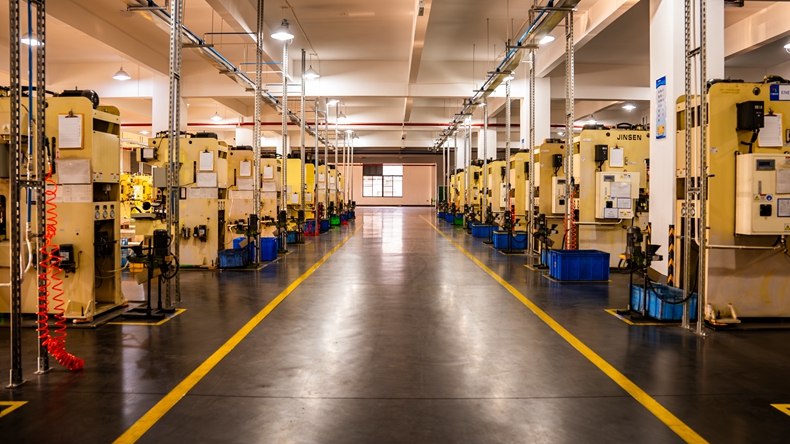
Why Partner With Us for Volume CR14250 Procurement?
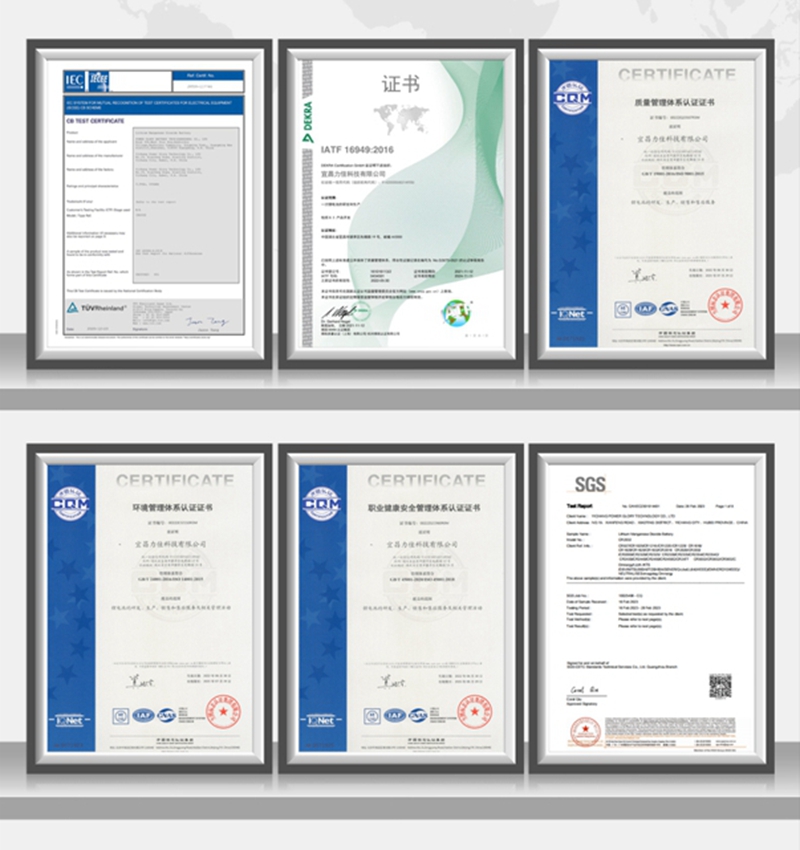
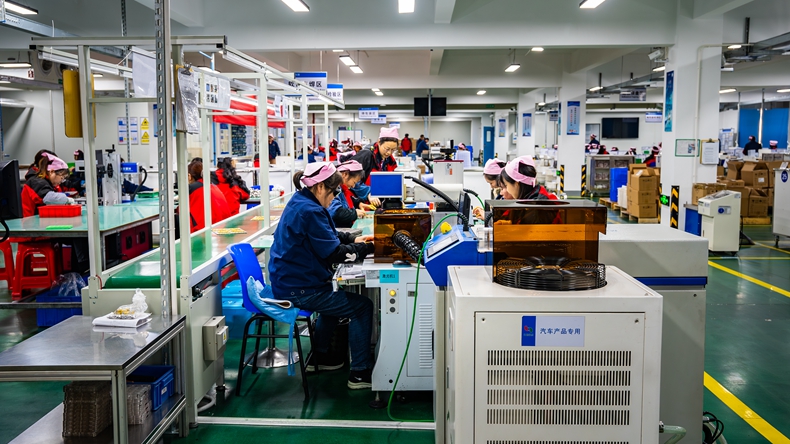
As a dedicated component manufacturer, we understand that industrial buyers require strict quality control and seamless integration with automated production.
Domande frequenti
Q1: Can a CR14250 battery replace a standard AA battery?
A: No. While they share the same diameter (14.5mm), the CR14250 is exactly half the length (25.0mm vs 50.5mm). Additionally, the CR14250 delivers a 3.0V output, whereas a standard consumer AA battery delivers 1,5 V. Using a 3V cell in a circuit designed for 1.5V will cause over-voltage damage to the microprocessors.
Q2: Is the CR14250 battery rechargeable?
A: No. The CR14250 is a batteria primaria (monouso) al litio-diossido di manganeseNon può essere ricaricata in modo sicuro. Tentare di far passare corrente in questa cella provocherà la rottura del sigillo ermetico interno, con conseguente fuoriuscita di elettrolita, cortocircuiti interni o runaway termico.
Q3: Why is the ≤2% self-discharge rate crucial for memory backup and smart meters?
A: Industrial smart meters and memory backup circuits spend the vast majority of their lifecycles in ultra-low micro-amp sleep states, waking up for mere milliseconds to log or transmit data. A self-discharge rate of ≤2% ensures that the battery’s energy is preserved for actual device operations over a span of up to 10 years, rather than wasting away internally.