

CR14250 3V 800mAh Bateria Primária de Lítio e Dióxido de Manganês Bateria Cilíndrica LiMnO2
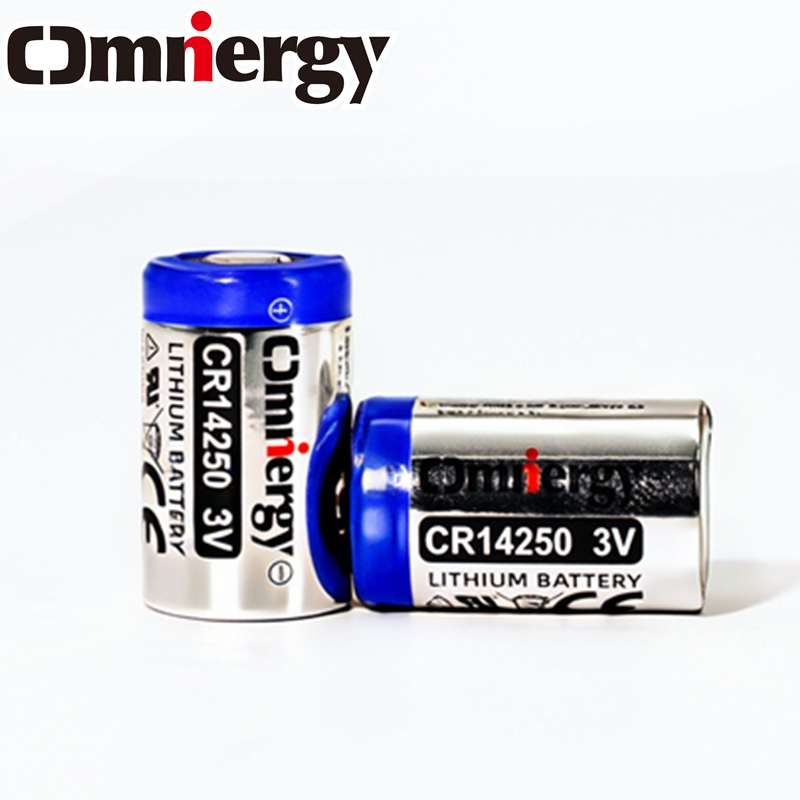
Capacidade de 800mAh. Autonomia de espera de longo prazo para placas de circuito impresso com espaço limitado.
Quando os projetos de hardware exigem uma densidade de energia superior à que uma célula de moeda plana pode fornecer, mas as restrições de espaço físico eliminam os invólucros padrão AA, a Bateria Primária de Lítio e Dióxido de Manganês CR14250 3V 800mAh serve como a solução de engenharia ideal.
Adotando o perfil compacto do tamanho 1/2 AA da 14,5 × 25,0 mm e pesando apenas 9 g, esta célula não recarregável oferece um reservatório de energia denso. 800 mAh Ela proporciona alta estabilidade de tensão e baixa resistência interna, especialmente projetada para eliminar a manutenção de rotina em campo em sensores remotos, equipamentos de emergência e arrays de backup de dados.
Parâmetros Técnicos da Bateria de Lítio e Dióxido de Manganês CR14250 3V 800mAh
| Parâmetro de Engenharia Industrial | Valor Certificado |
| Designação do modelo | CR14250 |
| Matriz Química | Dióxido de Manganês de Lítio (LiMnO2, Primária) |
| Tensão nominal | 3,0V |
| Capacidade nominal | 800 mAh |
| Dimensões Físicas | Diâmetro: 14,5 mm × Altura: 25,0 mm |
| Peso Líquido | 9,0 g |
| Taxa Anual de Autodescarga | ≤ 2% per year (Stored at standard 20°C) |
| Temperatura Operacional | -40 °C a +70 °C |
Ampla gama de baterias cilíndricas de lítio-manganês
| Modelo | Tensão nominal (V) | Capacidade Nominal (mAh) | Corrente Contínua Máxima (mA) | Corrente de Pico Máxima (mA) | Dimensão Máxima (mm) | Temperatura de Operação(℃) | Peso(g) |
| CR123A | 3 | 1500 | 1500 | 3000 | Φ17,0*34,5 | -40~+70 | 16 |
| CR123A | 3 | 1700 | 1500 | 3000 | Φ17,0*34,5 | -40~+70 | 16 |
| CR2 | 3 | 900 | 1000 | 2000 | Φ15,6*27,0 | -40~+70 | 11 |
| CR2 | 3 | 1000 | 1000 | 2000 | Φ15,6*27,0 | -40~+70 | 11 |
| CR14250 | 3 | 800 | 800 | 1500 | Φ14,5*25,0 | -40~+70 | 9 |
| CR17450 | 3 | 2400 | 1500 | 3000 | Φ17,0*45,0 | -40~+70 | 24 |
| CR14505 | 3 | 1600 | 1500 | 2000 | Φ14,5*50,5 | -40~+70 | 17 |
| CR-1/3N | 3 | 170 | 80 | 160 | Φ11,6*10,8 | -40~+70 | 3 |
| CR-P2 | 6 | 1500 | 1500 | 3000 | Φ19,5*36,0*33,4 | -40~+70 | 38 |
| CR-P2 | 6 | 1700 | 1500 | 3000 | Φ19,5*36,0*33,4 | -40~+70 | 38 |
Vantagens principais de engenharia e utilidade B2B
1. Geometria 1/2 AA otimizada para espaço
The CR14250 reduces layout overhead by exactly 50% compared to a standard AA cell, allowing engineers to reduce the enclosure sizes of handheld tools, smart meters, and tracking hardware without forcing a compromise on battery capacity.
2. Alta capacidade de pulso graças ao design em espiral
Ao contrário das células do tipo bobina, que sofrem com atraso temporário de tensão ou passivação sob carga pesada, nossa CR14250 utiliza uma estrutura interna de enrolamento espiral de alta precisão. Esse design aumenta a área de superfície para a reação química, permitindo que a bateria suporte de forma eficiente os picos instantâneos de corrente em microssegundos exigidos por transceptores sem fio e módulos RF.
3. Decadal Storage Stability (≤2% Self-Discharge)
Featuring a high-purity lithium metal anode matched with hermetic glass-to-metal sealing technology, internal chemical aging is limited to under 2% annually. Your finished products can remain idle in inventory or run in ultra-low sleep modes for up to a decade and still perform instantly when activated.
4. Extrema Resistência Térmica (-40°C a +70°C)
The battery’s internal organic electrolyte retains stable ionic mobility under freezing outdoor field conditions (-40 °C) ao mesmo tempo em que resiste à geração de pressão em altas temperaturas e à autodescarga rápida dentro de compartimentos industriais não ventilados (+70 °C).
Aplicações Industriais Alvo
Arquitetos de hardware globais e gerentes de compras de componentes integram nossa CR14250 de grau industrial em quatro verticais especializadas de rastreamento de ativos e infraestrutura:
Industrial Automation, Data Protection & Utilities
Automotive, Fleet Logistics & Telematics
Subsurface, Marine Exploration & Safety
Commercial Security, Medical Tech & Professional Optics
High-Intensity Flashlights & Digital Cameras: Fornecendo reciclagem rápida de energia e corrente constante para ópticas táticas, equipamentos de iluminação de alto lúmen e hardware profissional de imagem.
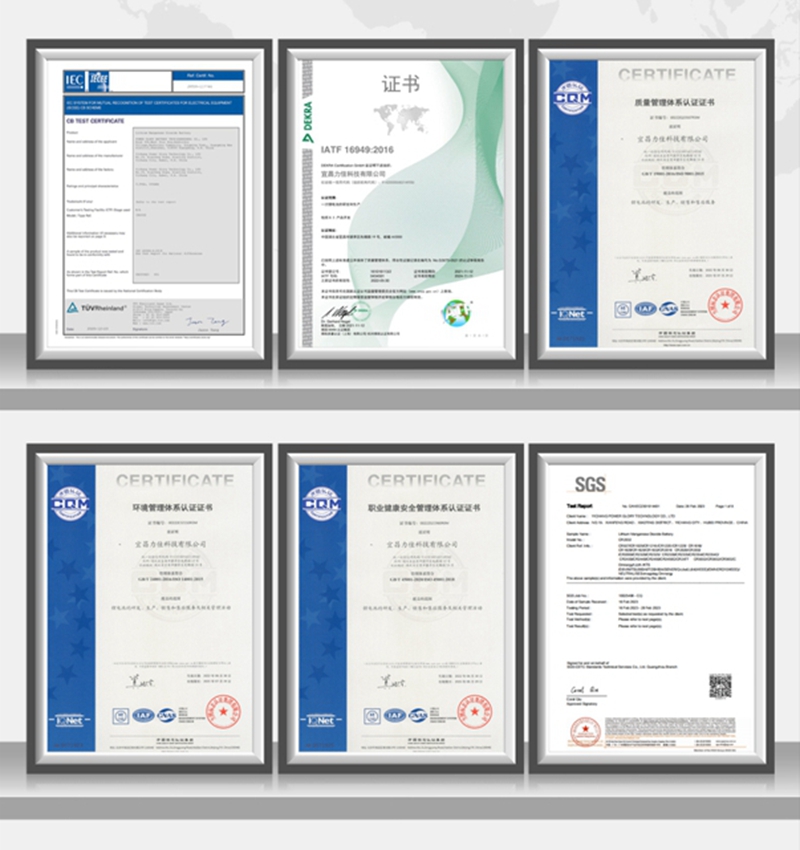
Por que fazer parceria conosco para a aquisição em volume de CR14250?
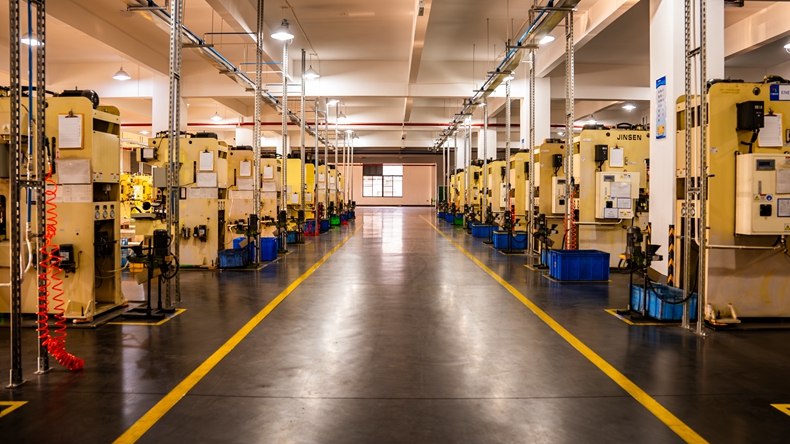
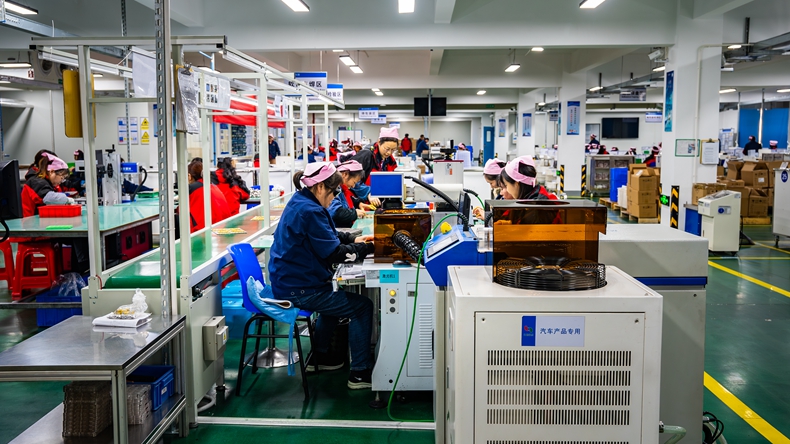
Como fabricante dedicado de componentes, entendemos que os compradores industriais exigem controle rigoroso de qualidade e integração perfeita com a produção automatizada.
Perguntas Frequentes
Pergunta 1: Uma bateria CR14250 pode substituir uma bateria AA padrão?
A: Não. Embora compartilhem o mesmo diâmetro (14,5 mm), a CR14250 tem exatamente metade do comprimento (25,0 mm em comparação com 50,5 mm). Além disso, a CR14250 fornece uma Saída de 3,0 V, enquanto uma bateria AA convencional para uso doméstico fornece 1,5 V. Utilizar uma célula de 3 V em um circuito projetado para 1,5 V causará danos por sobretensão aos microprocessadores.
Pergunta 2: A bateria CR14250 é recarregável?
A: Não. A CR14250 é uma bateria primária (de uso único) de dióxido de manganês-lítio. Ela não pode ser recarregada com segurança. Tentar forçar corrente nessa célula irá romper a vedação hermética interna, levando a vazamento de eletrólito, curtos internos ou fuga térmica.
Q3: Why is the ≤2% self-discharge rate crucial for memory backup and smart meters?
A: Industrial smart meters and memory backup circuits spend the vast majority of their lifecycles in ultra-low micro-amp sleep states, waking up for mere milliseconds to log or transmit data. A self-discharge rate of ≤2% ensures that the battery’s energy is preserved for actual device operations over a span of up to 10 years, rather than wasting away internally.